Trust Is Built Before the First Purchase


Most founders think trust is something you earn after someone buys through a good product, a smooth delivery, aa follow-up that shows you care.
That's true. But it's also too late to matter for the sale that got you there.
By the time someone adds to cart, trust has already been decided. The purchase isn't the moment trust is built. It's the moment trust is spent.
The Order Is Backwards From What Founders Assume
The instinct is: get them to buy first, impress them after, earn loyalty over time.
But a stranger doesn't click "buy" and then decide to trust you. They decide to trust you enough, and only then do they click buy. Everything that happens post-purchase the packaging, the delivery speed, the follow-up builds on trust that already existed.
It can't create trust that wasn't there in the first three seconds on your page.
If the pre-purchase trust wasn't earned, most people never get far enough to experience your excellent unboxing at all.
Where Trust Actually Gets Built (Before They Ever Pay You)
1. The first three seconds of your page: Not your tagline's cleverness whether the page immediately signals "real brand, real product, real people" or "generic template, stock photography, could be anyone." Buyers make this read almost instantly, before consciously evaluating anything.

2. Specific, checkable proof: Real review counts, real ratings, real numbers, not soft claims. A stranger's brain is quietly asking "is this provable or just asserted," and specificity is the fastest way to answer that question before they've read a single review in detail.
3. Visible risk reversal: Return policy, guarantee, COD or easy exchange placed near the decision point, not buried in a policy page three clicks away. This isn't about the policy existing. It's about whether the buyer sees it at the exact moment they're hesitating.
4. A believable reason you exist . Not a mission statement. A specific, human reason the brand was built something that makes the founder feel real instead of manufactured. This is doing more trust-work in one sentence than most "About Us" pages do in five paragraphs.
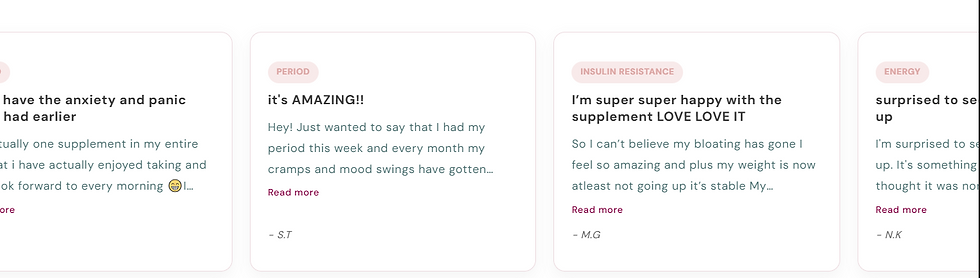
5. Evidence of other real people, not marketing language User-generated content, real photos in reviews, specific testimonials that read like a person wrote them under time pressure, not a copywriter. Polished-sounding praise reads as fake, even when it's genuine because polish itself has become a signal of manufactured trust.
Why This Matters More Than Founders Realize
Every dollar spent on ads is spent to get a stranger to that page. If the page doesn't build pre-purchase trust, that spend buys traffic that arrives, hesitates, and leaves, and no post-purchase experience gets a chance to prove itselfbuilt trust because there was no purchase.
This is why two brands with identical products, identical ad creative, and identical targeting can have wildly different conversion rates. The gap isn't the product. It's whether the page did the trust-building work before asking for the sale.
The Retention Version of the Same Principle
This same logic repeats at every stage, not just the first purchase. A customer decides to trust you with a second order before they place it, based on how the first one went. A customer decides to open your next email before they open it, based on whether the last three were worth their time.
Trust is never built in the moment of the ask. It's built in everything leading up to it and then simply confirmed or broken by what happens next.

The Real Shift
Stop treating your product page as a place to describe the product. Start treating it as the place where a stranger decides, in seconds, whether you're worth the risk of a first purchase.
Everything after that the delivery, the packaging, the follow-up matters enormously for retention. But it's not what gets you the first sale. The trust that gets you the first sale was built, or wasn't, before they ever reached for their card.
Building a D2C brand and want to go from idea to scale the right way?


Comments